
Since the clocks went back, many UK commutes start or finish in the dark, often on wet roads with headlights glaring off the tarmac. The short answer to staying visible is simple: fluorescent colours help other road users spot you in daylight and dull weather, and reflective material helps them see you at night when their headlights hit it. The best winter riding kit uses both. This guide explains the difference, what the Highway Code advises, and how to choose gear that keeps you visible from every side.

Why visibility matters more in winter
From late autumn to early spring, a typical working day can mean riding to work at dawn and home after dusk. Add low winter sun, rain, spray and misted-up windscreens, and drivers have less time and less light to notice a motorcycle. Bikes are narrow and easy to lose behind pillars, hedges and other vehicles, so anything that makes your shape stand out gives drivers a better chance of seeing you sooner.
Being seen is only one part of riding safely. Good road positioning, sensible speed and protective clothing all matter too. If you are putting together a full cold-weather setup, our winter motorcycle gear guide covers layering, waterproofing and warmth.
Fluorescent vs reflective: what is the difference?
People often use "hi-viz" to mean both, but they work in very different ways.
Fluorescent material (for daylight)
Fluorescent fabrics, such as the familiar bright yellow-green or orange, absorb ultraviolet light from the sun and give it back as visible light. That is why they seem to glow on a grey day or at dusk. At night there is no sunlight to convert, so fluorescent fabric on its own does little in the dark.
Reflective material (for darkness)
Retro-reflective material bounces light straight back towards its source. When a car's headlights hit a reflective panel, the driver sees a bright flash coming back at them, even from a long way off. In daylight, reflective strips look dull grey and do very little, which is why they work best alongside fluorescent or bright colours.

What the Highway Code says
The Highway Code's rules for motorcyclists include two that deal directly with being seen:
- Rule 86 (daylight riding): make yourself as visible as possible from the side as well as the front and rear. It suggests a light or brightly coloured helmet and fluorescent clothing or strips, and notes that dipped headlights, even in good daylight, may make you more conspicuous.
- Rule 87 (riding in the dark): wear reflective clothing or strips to improve your visibility in the dark. These reflect the light from other vehicles' headlamps, making you visible from a long distance.
These are recommendations rather than legal requirements, but they are a clear, sensible starting point for anyone riding through a UK winter.
How to choose visible motorcycle gear: a practical checklist
Use this list when you are comparing jackets, hoodies or trousers for winter riding:
- Look for both fluorescent and reflective elements. Bright colour for daytime and dusk, reflective panels or piping for night.
- Check the back as well as the front. Drivers behind you at junctions and roundabouts need to see you too, so reflective detail across the back is valuable.
- Think about the sides. Reflective detail on sleeves and trouser legs helps drivers pulling out of side roads.
- Put reflectives where you move. Visibility research on cyclists and pedestrians suggests reflective material on arms and legs helps drivers recognise a moving person more quickly than a patch on the torso alone.
- Do not let visibility replace protection. Hi-viz is not armour. Choose gear that also has abrasion-resistant materials and CE-approved armour.
- Keep it clean. Road grime dulls both fluorescent and reflective surfaces. Follow the care label and wipe panels down regularly in winter.
- Check your outer layer. If you wear a rucksack or waterproof over-jacket, make sure it does not cover your reflective panels.

Hi-viz jackets vs dark gear with reflective panels
You do not have to ride in head-to-toe fluorescent yellow to be more visible. There are two common approaches.
Full hi-viz textile jackets
A fluorescent jacket gives the strongest daytime presence. The MOTROX Hi-Viz Men's Textile Jacket, for example, pairs a high-visibility outer with front and rear reflective Scotchlite panels, CE-approved shoulder and elbow protectors and a removable back protector, so it covers both day and night visibility in one garment.

Darker gear with reflective detailing
If you prefer a black jacket or a more casual look, choose pieces with reflective detail built in, and consider adding a hi-viz vest for daytime riding. The MOTROX Pro MTX Waterproof Textile Jacket is black but has reflective 3M panels and a removable thermal lining. For riders who like a streetwear style, the MOTROX BlackThorne Reflective Hoodie adds reflective detailing to a Kevlar-reinforced pullover with pockets for CE armour at the shoulders, elbows and back.

Women riders have reflective options too, including the MOTROX Ladies Ashborne Reflective Armoured Hoodie and our range of ladies' motorcycle jackets.
Other simple ways to be seen
- Helmet colour: a white or brightly coloured helmet sits high up and is easy for drivers to spot.
- Lights: ride with dipped headlights on, keep lenses clean and check bulbs regularly through winter.
- Road position: position yourself where drivers can see you, and avoid lingering in blind spots.
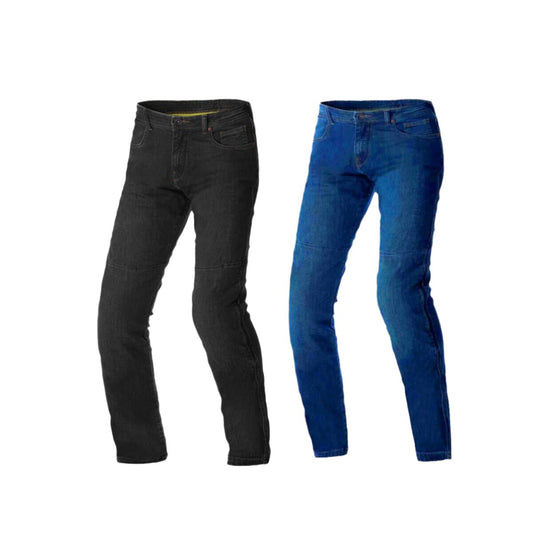
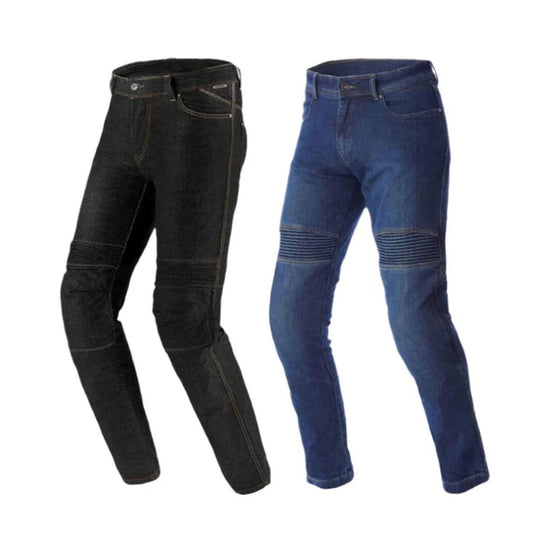
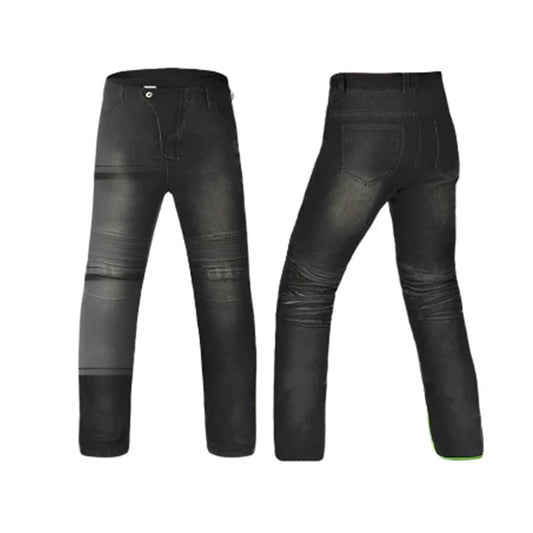
- Lower half: reflective detail on trousers or boots shows up low down in headlights. Browse our men's textile trousers for winter options.

FAQ
Is it a legal requirement to wear hi-viz on a motorcycle in the UK?
No. The Highway Code advises fluorescent clothing in daylight and reflective clothing in the dark (Rules 86 and 87), but these are recommendations, not legal requirements.
Does fluorescent clothing work at night?
Not very well on its own. Fluorescent fabric relies on daylight, so in darkness you need reflective material that bounces back headlight beams.
Is a hi-viz vest over my jacket enough?
A vest is a cheap, easy way to add daytime visibility, especially over dark gear. Check that it has reflective strips for night riding and that it does not flap or cover your jacket's own reflective panels.
Can I wash reflective motorcycle clothing?
Yes, but always follow the garment's care label. Remove any armour first, avoid harsh chemicals, and do not iron over reflective tape unless the label says it is safe.
Does a black jacket make me hard to see?
Black gear is harder to see in low light, but reflective panels help a lot at night. Adding a fluorescent vest gives you daytime visibility too.
For more on protection levels, read our guide to CE ratings explained. Ready to brighten up your winter riding? Browse the full range of MOTROX textile motorcycle jackets and reflective motorcycle hoodies.